An educational resource dedicated to understanding balanced nutrition, wellness practices, and the foundations of vitality
Balanced nutrition forms the cornerstone of sustained well-being and vitality. This principle emphasizes the importance of consuming a diverse range of whole foods that provide essential nutrients in appropriate proportions.
The concept of balance in nutrition encompasses three key dimensions: variety, moderation, and the preference for whole, minimally processed foods. Different foods contribute unique combinations of nutrients, and no single food provides all that the body requires.
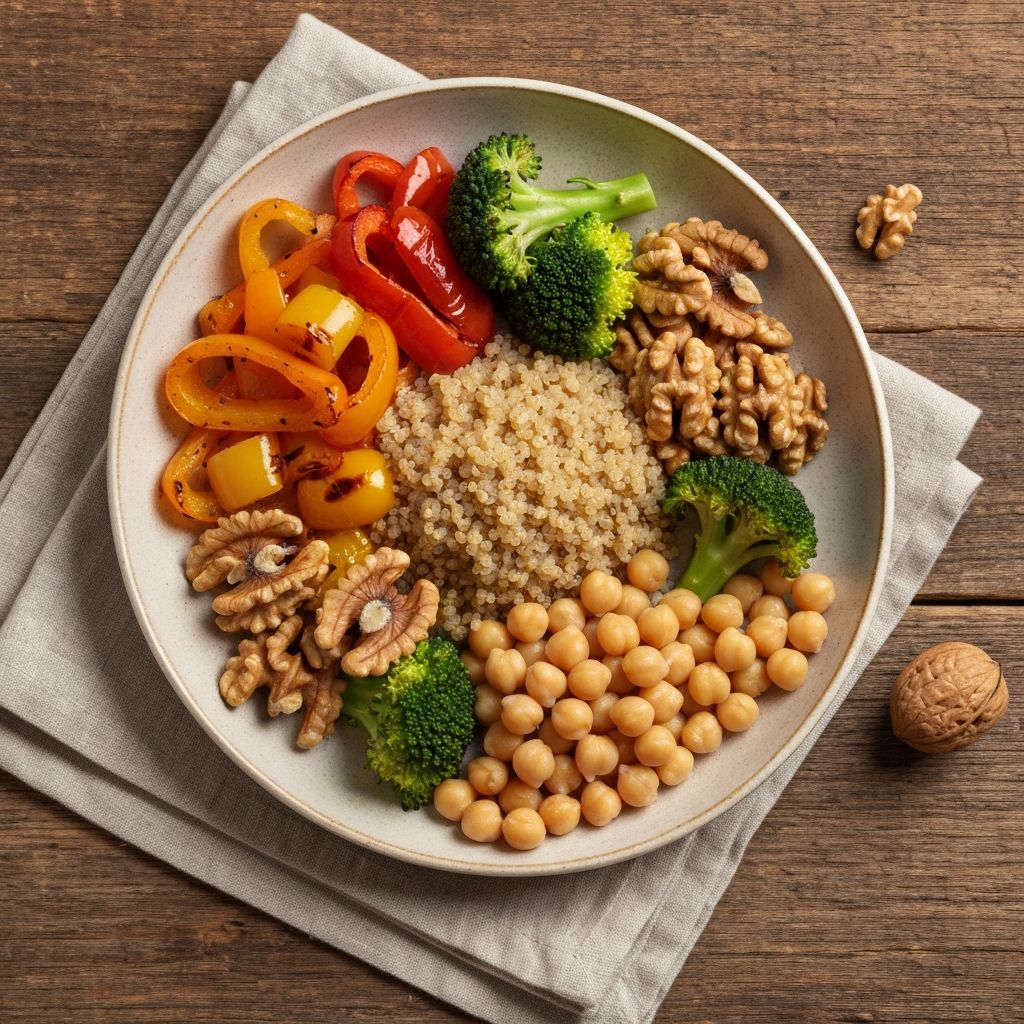
Macronutrients—proteins, fats, and carbohydrates—are the primary substances that provide energy and support the body's structural and functional needs. Each plays a distinct and vital role in maintaining bodily processes.
Proteins are composed of amino acids and serve as building blocks for muscles, tissues, enzymes, and hormones. They support immune function, facilitate cellular repair, and contribute to the production of various body compounds. Sources include legumes, nuts, seeds, whole grains, and plant-based foods.
Dietary fats are essential for hormone production, nutrient absorption (particularly fat-soluble vitamins), brain function, and cellular health. Fats support the nervous system and contribute to satiety. Sources include nuts, seeds, avocados, and plant-based oils, which provide fatty acids necessary for optimal health.
Carbohydrates are the body's primary energy source, powering physical activity and cognitive function. Whole grains, fruits, vegetables, and legumes provide complex carbohydrates that also deliver fiber, supporting digestive health and stable energy levels throughout the day.
Vitamins are organic compounds essential for immune function, energy metabolism, bone health, and antioxidant protection. B-vitamins support energy production, Vitamin C aids immune function, and Vitamin D contributes to calcium absorption and bone strength.
Minerals such as iron, magnesium, calcium, and zinc support enzyme function, bone structure, oxygen transport, and immune response. These nutrients work in concert with vitamins to maintain physiological balance and support overall system function.
Antioxidant compounds, found in colorful fruits and vegetables, support cellular health by addressing oxidative stress. These include flavonoids, carotenoids, and polyphenols, which contribute to the body's natural defense mechanisms.
Plant-derived compounds provide color, flavor, and protective properties to foods. These substances, found abundantly in vegetables, fruits, and herbs, support various physiological functions and contribute to the comprehensive benefits of plant-based nutrition.
Fiber supports digestive health, promotes satiety, and contributes to stable blood sugar levels. Whole grains, legumes, and vegetables provide soluble and insoluble fiber, both essential for maintaining a healthy digestive system and overall well-being.
Seeds, nuts, and whole grains contain natural compounds that support metabolic function and provide satiety. These foods serve as nutritional foundations in traditional and contemporary approaches to balanced eating.

Water is fundamental to all bodily processes. Proper hydration supports nutrient transport, temperature regulation, cognitive function, and metabolic processes. The body's need for fluids varies based on activity level, climate, and individual factors.
While individual hydration needs vary, paying attention to thirst cues and maintaining consistent fluid intake supports overall wellness and physiological balance.

Mindful eating encompasses a conscious approach to food consumption, emphasizing awareness of hunger and satiety signals, savoring the eating experience, and recognizing the body's nutritional needs.
This practice encourages individuals to slow down during meals, appreciate flavors and textures, and develop a more intuitive relationship with food. Mindful eating is not restrictive; rather, it promotes attunement to the body's signals and positive engagement with nourishment.
Regular, moderate physical activity is a cornerstone of comprehensive wellness. Movement supports cardiovascular function, maintains muscle and bone strength, enhances mood, and contributes to mental clarity and emotional resilience.
Physical activity encompasses diverse forms—walking, stretching, yoga, recreational movement, or any activity that engages the body. The focus is on consistency and enjoyment rather than intensity, recognizing that sustainable wellness comes from approaches that individuals can maintain over time.

Controlled breathing activates the parasympathetic nervous system, promoting relaxation. Simple techniques such as slow, deep breathing or counting-based breathing patterns can be practiced anywhere, providing immediate support for emotional regulation.
Regular meditation practice supports mental clarity, reduces cognitive stress, and promotes emotional balance. Even brief, consistent practices—10 to 20 minutes daily—can contribute to sustained improvements in stress resilience and overall well-being.
Spending time in natural environments—gardens, parks, or outdoor spaces—supports stress reduction and mental restoration. Nature exposure provides a gentle reset for the nervous system and promotes psychological renewal.
Engaging in creative activities such as art, music, writing, or other forms of self-expression supports emotional processing and cognitive well-being. Creative engagement provides a healthy outlet for stress and promotes personal fulfillment.

Sleep is a fundamental pillar of health, supporting immune function, cognitive performance, emotional regulation, and physical recovery. The quality and consistency of sleep significantly influence overall vitality and well-being.
| Sleep Factor | Key Aspects |
|---|---|
| Sleep Duration | Most adults benefit from 7-9 hours of consistent sleep |
| Sleep Consistency | Regular sleep and wake times support circadian rhythm |
| Sleep Environment | Cool, dark, quiet spaces promote deeper sleep |
| Pre-sleep Routine | Calming activities signal the body to prepare for sleep |
| Recovery Functions | Sleep supports immune function, tissue repair, and memory consolidation |
Throughout history, various cultures have utilized herbs and plant-based materials as part of traditional wellness practices. While these traditions are rich with knowledge, modern understanding emphasizes that herbal materials function as food components and nutritional supports, not as medical treatments.
Herbal beverages and plant-based preparations are valued in many culinary and wellness traditions. Common herbal materials such as chamomile, peppermint, ginger, and turmeric have been incorporated into daily practices for their pleasant flavors and traditional associations with wellness. These traditions reflect cultural knowledge about plant-based nutrition and its role in supporting general well-being.

Seasonal eating aligns food consumption with natural agricultural cycles, connecting individuals with local food systems and the rhythms of nature. This approach emphasizes consuming fruits and vegetables at their peak nutritional abundance and flavor.
Spring brings fresh greens, asparagus, and tender vegetables that support renewal and provide vital nutrients after winter months.
Summer abundance includes berries, melons, tomatoes, and colorful vegetables rich in vitamins and antioxidants for sustained energy and vitality.
Autumn harvests feature squashes, root vegetables, and grains that provide warming, grounding nutrition as seasons transition to cooler months.
Winter staples include hearty vegetables, stored root crops, and preserved foods that sustain nutrition through seasons of rest and reflection.

Educational Content Only. The information presented on this site is educational in nature and should not be considered medical advice, diagnosis, or treatment recommendations. Individual nutritional needs, health conditions, and circumstances vary significantly. This content does not replace consultation with qualified healthcare providers, registered dietitians, or licensed nutritionists.
Individual Variation. Approaches to nutrition and wellness are highly individual. What supports well-being for one person may differ from what works for another. Professional guidance is essential before making significant changes to diet, supplement use, or physical activity routines.
Professional Consultation. For personalized recommendations, assessment of individual health status, or management of specific health concerns, consultation with qualified healthcare professionals is essential and encouraged.
 Quantus